Trusting Your Produce By Buying Local
If buying leafy greens at your regular grocery store has left you feeling uneasy lately, now may be the perfect time to shop locally. The recent cyclospora outbreak has caused understandable concern for shoppers at major grocery stores and restaurants, particularly in Michigan, where the highest number of cases has been reported. When an outbreak occurs on this scale, it can be incredibly difficult for large companies to identify the source, contain the contamination, and remove affected produce from thousands of distribution channels.
At Argus Farm Stop, our produce comes directly from small Michigan farms and is delivered straight from the field to our stores. Because of our consignment model, our customers are buying directly from local farms. We know exactly who grew what produce you’re enjoying and how it got here. That level of transparency makes it much easier to understand growing practices and, if necessary, trace produce back to its source.
According to the CDC, cyclosporiasis is a gastrointestinal illness caused by the microscopic parasite Cyclospora. In the United States, infections are most commonly associated with eating fresh produce during the summer months. People can also become infected by consuming contaminated food or water while traveling internationally.
Symptoms typically develop between two and 14 days after exposure and may include watery diarrhea, loss of appetite, weight loss, bloating, nausea, and fatigue. While the illness is not usually life-threatening and many people recover without treatment, medical care is sometimes necessary. Cyclospora infections typically peak between May 1 and August 31, with relatively few cases reported in previous years.
In June 2026, the FDA began investigating a multistate outbreak linked to iceberg lettuce served at fast food restaurants and sourced from Taylor Farms. On July 17, 2026, Taylor Farms recalled its iceberg lettuce, and many fast food restaurants stopped sourcing iceberg lettuce from the company.
Since the outbreak began, there have been 6,707 laboratory-confirmed cases across 47 states. The CDC estimates that approximately 12,255 additional cases have likely occurred, but have not yet been laboratory confirmed. Michigan has reported the highest number of confirmed cases, with Ohio also believed to have experienced a significant number of illnesses.
Although cyclosporiasis is not generally considered a deadly disease, the CDC confirmed on August 3, 2026, that two Michigan residents with underlying health conditions died after getting cyclospora.
As case numbers continue to rise, many shoppers are understandably asking the same question: Can I still buy fresh produce safely?
Large commercial farms are required to follow federal food safety regulations and maintain strict safety protocols. Outbreaks remain relatively uncommon, but when they do occur within highly consolidated supply chains, they can affect an enormous number of people.
Today, four companies control approximately 54% of the fresh-cut salad market in the United States, including Taylor Farms. Taylor Farms alone ships an estimated 165 million servings of fresh produce every week. Their products appear in grocery stores and restaurants nationwide, often under private-label brands such as Walmart Marketside and Kroger Private Selection, making it difficult for consumers to know exactly where their produce is coming from.
Complicating matters further, bagged salads often contain shredded lettuce from multiple heads and different harvests. This means if contamination is discovered, it is not easily traceable. Companies thus cannot recall a single batch, and instead may need to remove numerous products from thousands of grocery stores and restaurant locations across the country, including major chains like Taco Bell, Chipotle, McDonald's, Walmart, and Kroger.
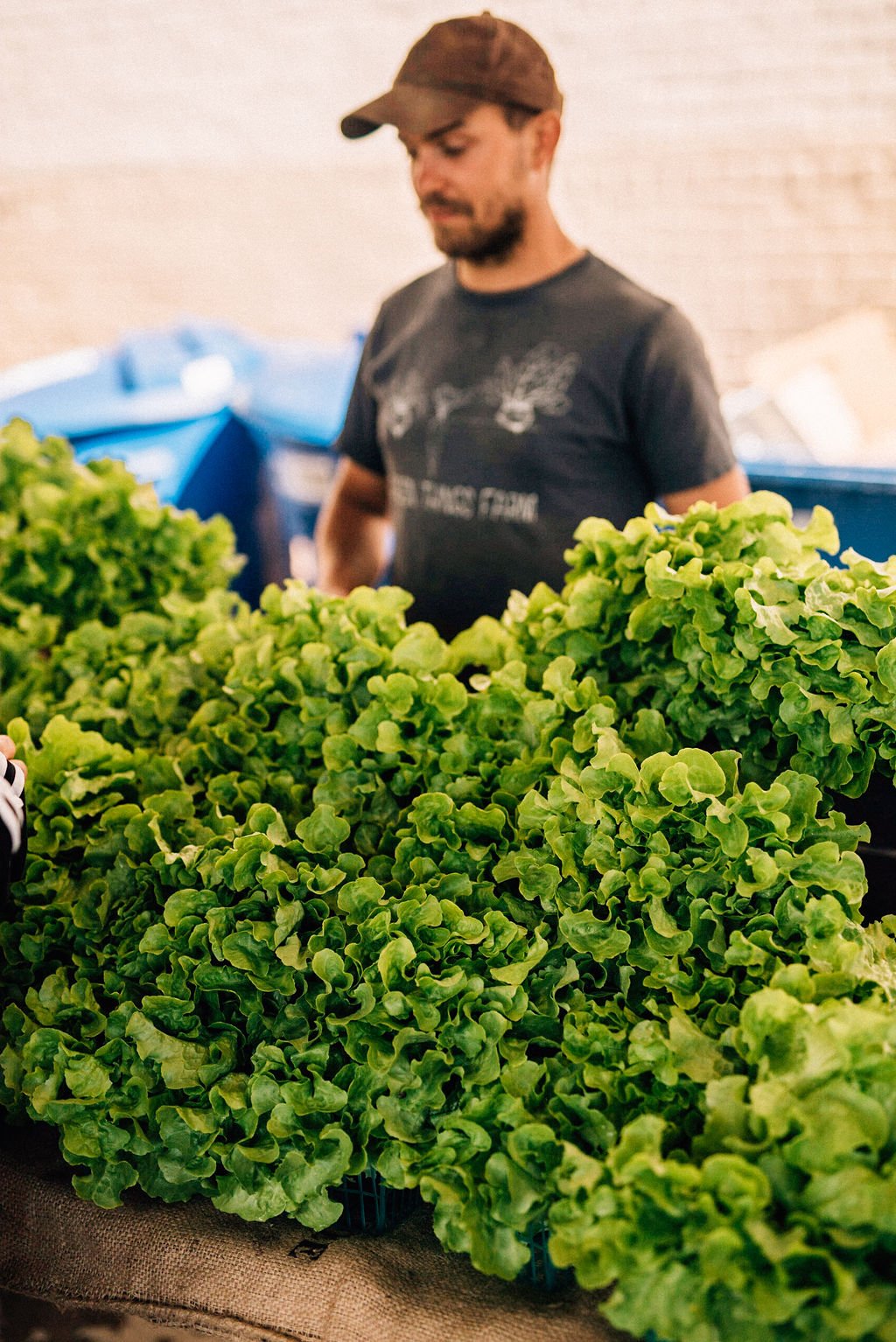
Shopping from local farmers with great growing practices might offer more security when it comes to preventing illness from fresh produce. At Argus Farm Stop, our farmers operate on a much smaller scale, making every product significantly easier to trace. Most sell through only a handful of outlets, often including their own farm stand, Argus Farm Stop, and farmers markets around South East Michigan like the Ann Arbor Farmers Market, the Ypsilanti Farmers Market, and more.
Our farmers’ produce travels dozens, not thousands, of miles directly from the farm to our stores. Many deliveries arrive the same day the produce is harvested, preserving freshness while reducing handling throughout the supply chain. The farmers deliver their own produce to us, which means there is significantly less consolidation than at traditional grocery stores. There are little to no wholesalers, brokers, or other steps in between the farmer and you that could impact the quality of produce here at Argus Farm Stop.
Our farmers use a variety of growing methods that prioritize quality and food safety. Some grow produce hydroponically or inside greenhouses, where produce is grown in a controlled environment that is isolated from potentially contaminated soil and waterways. Since cyclospora can spread through contaminated soil or irrigation water, these growing methods can reduce risk of contamination.
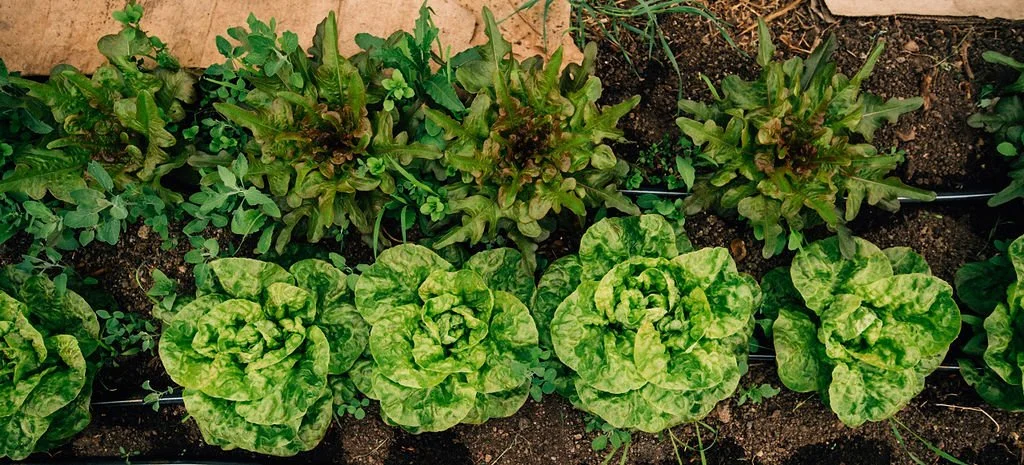
Local Michigan farmers growing in the fields also work diligently to produce safe, high-quality food. Many use organic and sustainable growing practices focused on maintaining healthy, nutrient-rich soil and produce. From planting seeds to harvesting, washing, and preparing produce to sell, every step receives close care and attention.
If a food safety concern were to be identified, we could easily and immediately respond in collaboration with our farmers to trace it back to its source, potentially the very bed in which the produce was grown. Since we work on consignment, your receipt shows exactly what farm grew the lettuce you bought. This eliminates struggles that traditional grocery stores would have to trace the source of a foodborne illness.
Another advantage of shopping locally is the diversity of farms and produce varieties for shoppers to choose from. When one company supplies a significant portion of the nation's salad greens, a single contamination event can affect millions of consumers. At Argus Farm Stop, customers can choose from lettuce grown by several local farms. Some of our farmers offer different types of lettuce to choose from, in addition to other leafy greens. Every item is labeled with the farm's name, location, and growing practices. Most produce is sold individually rather than combined into large, mixed batches, making traceability much more straightforward.
Local food also creates opportunities for connection. Many of our farmers host seasonal U-picks, operate weekly farm stands, or host events on their farm. Farmers delivering directly to Argus Farm Stop means there is a good chance shoppers will run into a farmer and be able to connect with them. Building relationships with the people who grow your food allows you to better understand exactly where and how it is grown, and the care that goes into every harvest.
We have many contacts with the Michigan Department of Agriculture and Rural Development and our health departments that would contact us if there was an illness affiliated with locally grown produce in our stores. We have not received any of these communications since the outbreak began and currently have no reason to believe any products at Argus Farm Stop have caused an illness. Instead, many of our growers have experienced a drastic increase in sales. Farms like Green Things Collective have shared their overwhelming gratitude for the community's support as they work hard to keep up with the growing demand for fresh, local produce.
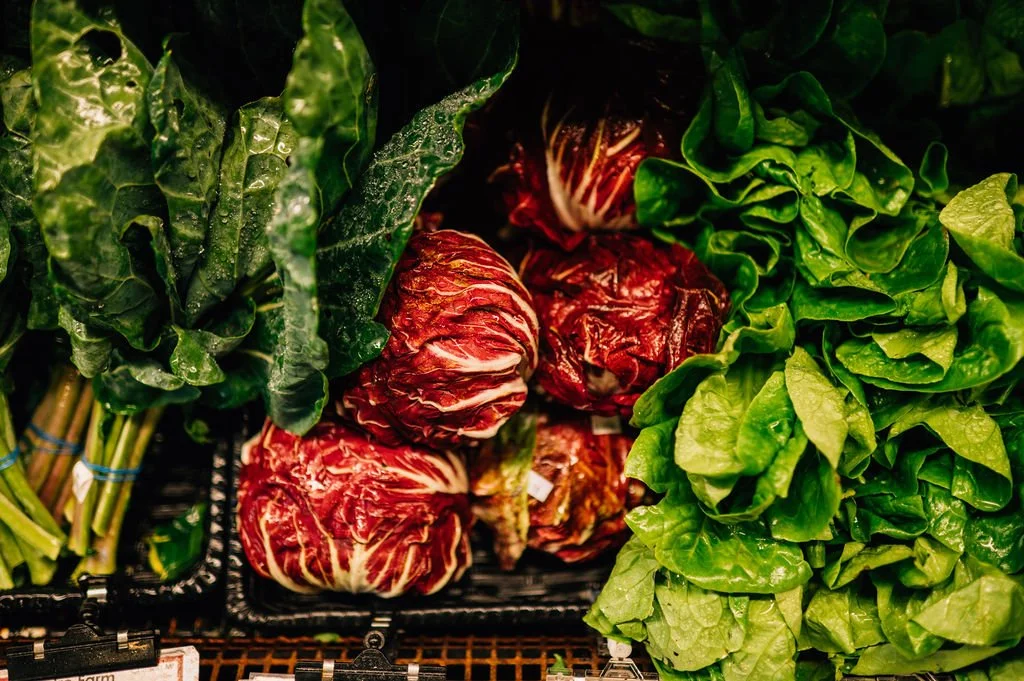
While outbreaks like this can be frightening, they have also reminded many people of the value of knowing where their food comes from. Customers who might not have previously visited Argus Farm Stop are now stopping in and discovering the fresh, high quality produce our Michigan farmers have to offer, including several varieties of lettuce, kale, microgreens, radicchio, and chard.
By shopping at Argus Farm Stop, you help support and uplift the local food economy and farmers who work hard to grow produce with great care and concern for your safety. When you know your farmer, you gain more than just delicious, nutrient-rich produce. You gain confidence in where your food comes from and the people who grew it.