From Theory to Practice: Making Informed Decisions about Sustainable Food
When you are thinking about the food you are eating, many people do not think about farming practices and the related carbon emissions that come from planting, harvesting, and processing produce and livestock. Depending on how supply chains and land use are measured, farming accounts for roughly 10% to 11% of total U.S. greenhouse gas emissions. While there are other components of agriculture that contribute to climate change, there are also other paths that many small-scale farmers take to make sure the food on your table is sustainably grown.
The food system has many interconnected components that include farmers, ranchers, retailers—such as farmers markets, farm stops, or grocery stores—and consumers. Each of these components creates a food system, or economy, where, along each step of the way, are opportunities for emission reduction, education, conversation, trust, and community building—all of which are valuable aspects of sustainable food.
2025 Annual Update
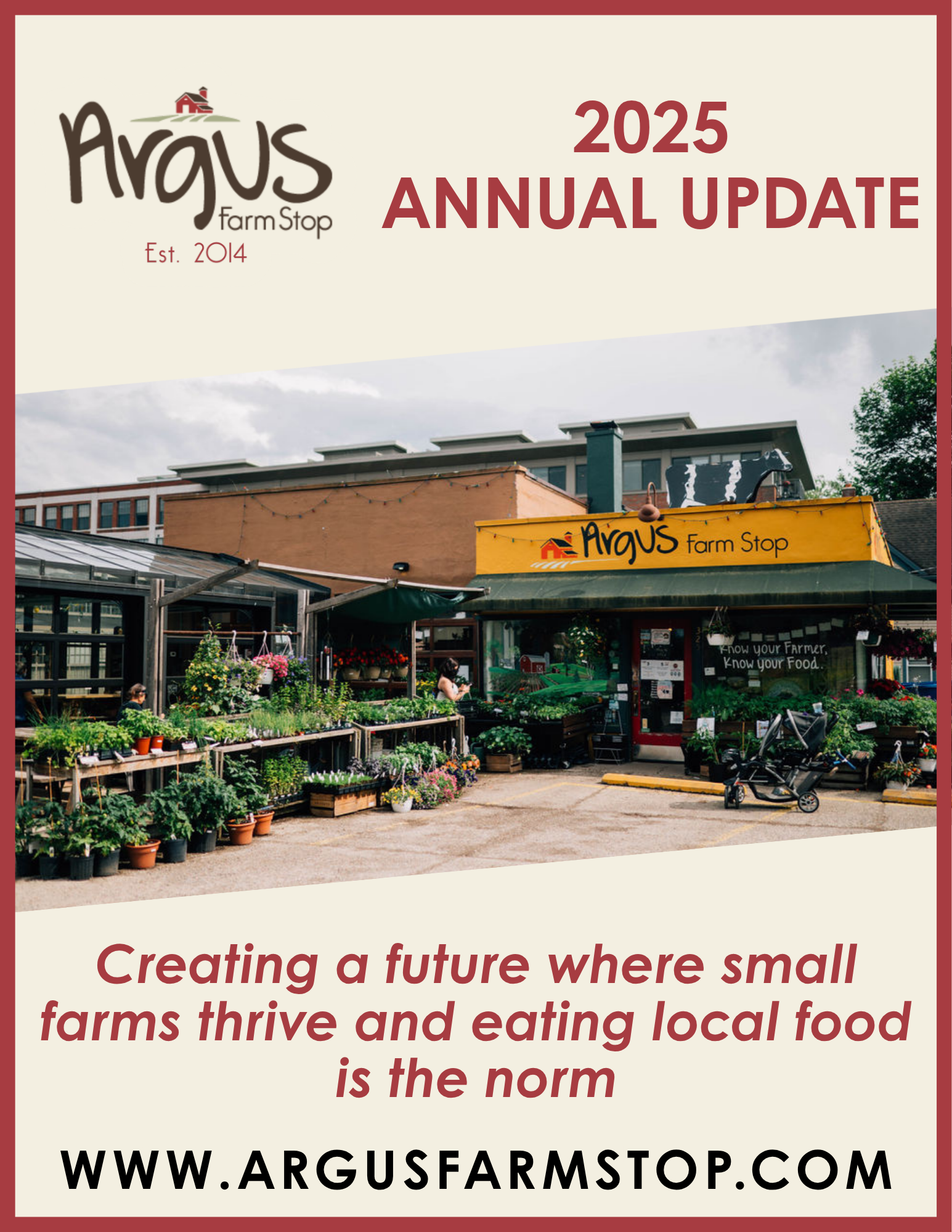
2025 marked another wonderful year here at Argus Farm Stop, with plenty of produce sold, new connections made, and strengthened relationships with our farmers and customers. Our farm stop model ensures local farmers receive 70% of each sale, with the remaining 30% going to Argus Farm Stop’s operation costs. Under this model, Argus Farm Stop’s total payout to farmers grew to $30 million in 2025.
Trusting Your Produce By Buying Local
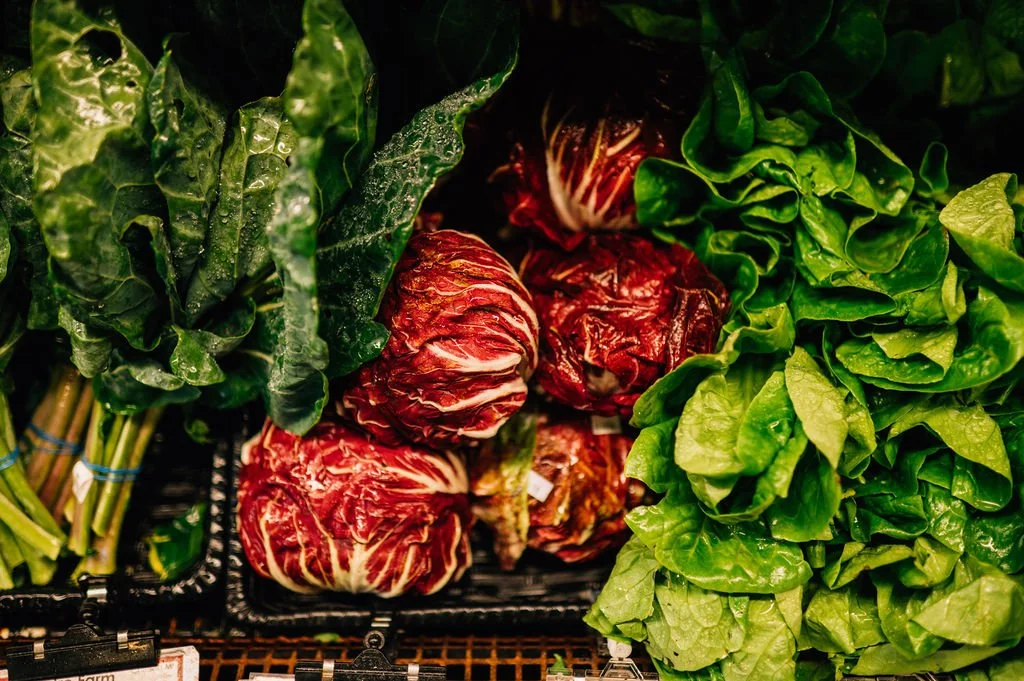
If buying leafy greens at your regular grocery store has left you feeling uneasy lately, now may be the perfect time to shop locally. The recent cyclospora outbreak has caused understandable concern for shoppers at major grocery stores and restaurants, particularly in Michigan, where the highest number of cases has been reported. When an outbreak occurs on this scale, it can be incredibly difficult for large companies to identify the source, contain the contamination, and remove affected produce from thousands of distribution channels.
At Argus Farm Stop, our produce comes directly from small Michigan farms and is delivered straight from the field to our stores. Because of our consignment model, our customers are buying directly from local farms. We know exactly who grew what produce you’re enjoying and how it got here. That level of transparency makes it much easier to understand growing practices and, if necessary, trace produce back to its source.
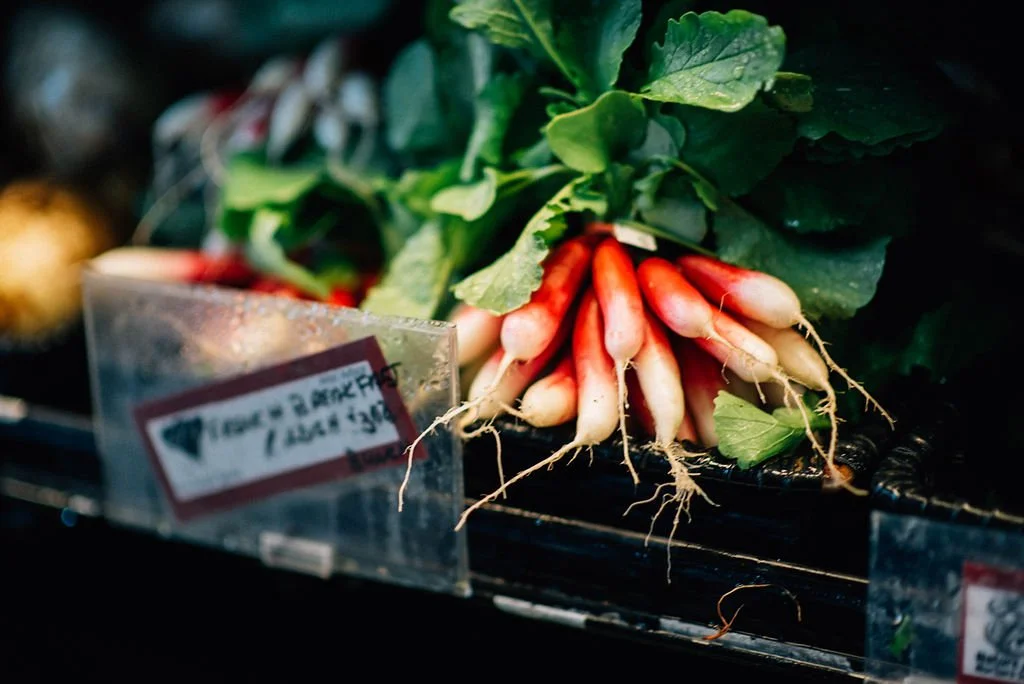
Valuing Local: How Local Farmers Price Their Produce
Supporting your local food economy should be simple: buy from local Michigan farmers, and enjoy fresh, nutritious, delicious produce. However, with rising grocery costs, price differences between a farm stop and a grocery store can be a serious hurdle for many folks wanting to shop local. Why is it that local food can end up more expensive than food in traditional grocery stores, and how do we ensure local Michigan farmers are paid a fair income while keeping their food accessible to our community?
To answer this question, I spoke with Alex Blume, Argus Farm Stop’s Marketing Manager, about how pricing works at Argus Farm Stop, and how we work with local farmers and organizations to create access to the best, locally grown produce.
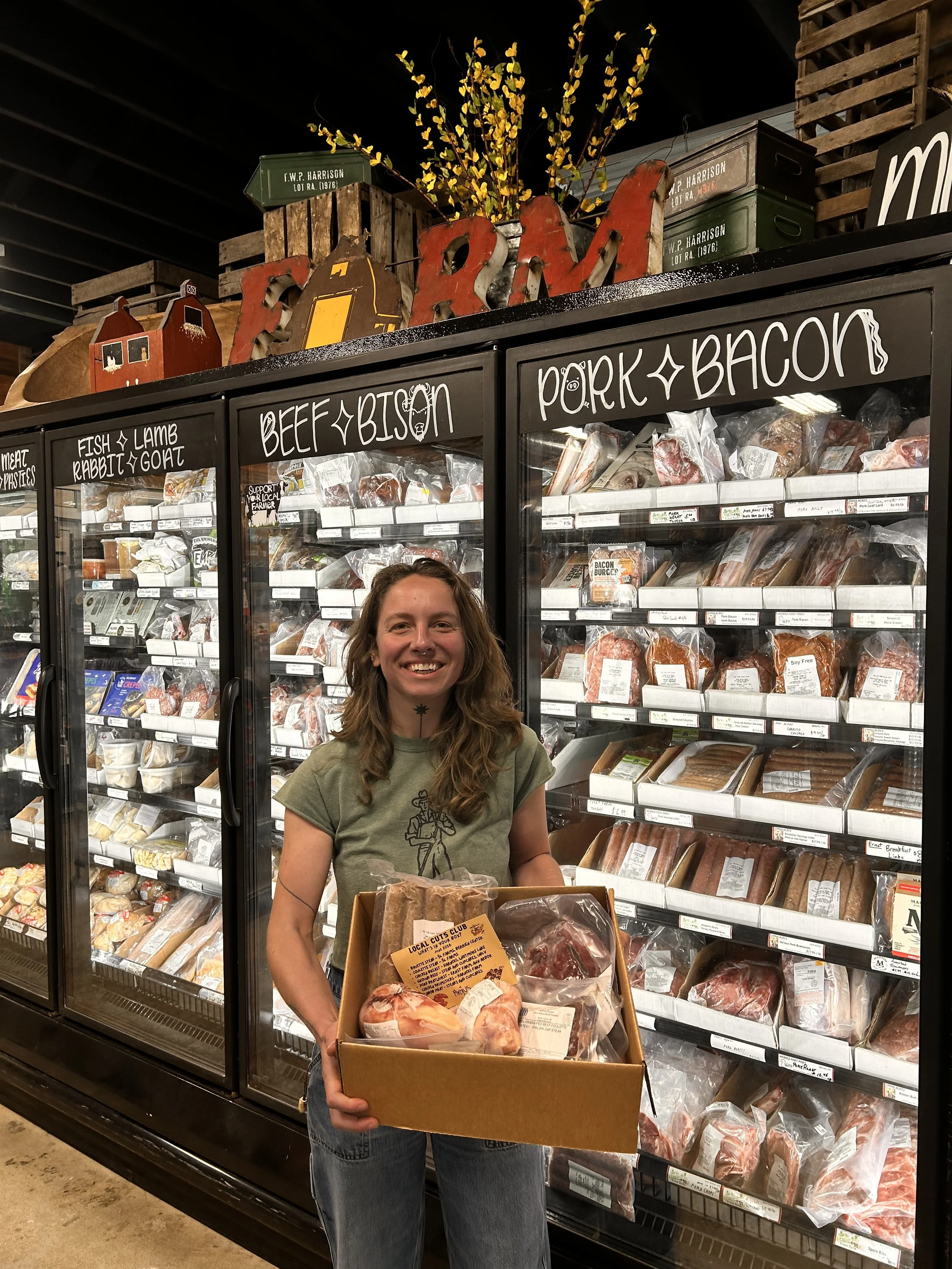
Supporting Local Meat Farmers & Ethical Practices: The Local Cuts Club
While our customers often pause to admire the vibrant produce, freshly baked bread, and cafe offerings available at Argus Farm Stop, we also offer a wide variety of meat products, another key contributor to our local food economy. Local Michigan farmers who sell through Argus Farm Stop work hard to ensure their animals are raised humanely, providing them with rich, full lives, often implementing sustainable farming practices before the animals are processed to sell in store.
To make shopping humanely raised, local meat easier, we started our Local Cuts Club: a monthly subscription service that provides our customers with high quality meat raised locally and ethically. Alex Blume and I spoke with Argus Farm Stop’s very own Rosie Estes, who, among many other responsibilities, runs our Local Cuts Club subscription.
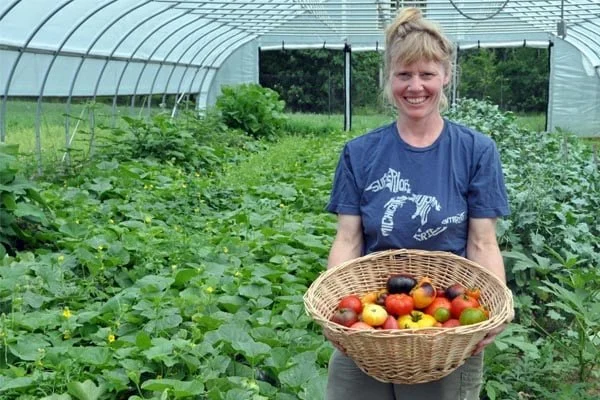
Starting With Intention: Nature & Nurture Local, Heirloom Seeds
Now that it’s finally starting to warm up in Michigan, it’s time to start thinking about planting fruits and vegetables for the late summer or fall harvests. Argus Farm Stop offers an abundance of plant starts during this time of year, as well as a huge variety of organic seeds from Nature & Nurture Seeds to purchase for your garden. Nature & Nurture breeds open pollinated and heirloom seed varieties and sells some of their beautiful heirloom tomatoes in late summer. The farm also offers educational resources for new gardeners seeking advice on what to plant and how to optimize growth in their gardens. Alex Blume and I spoke with Erica Kempter and Mike Levine, founders of Nature & Nurture Seeds, about how they breed new seeds for Ann Arbor and its surrounding communities to enjoy.
Erica and Mike founded Nature & Nurture in 2001 as a garden consulting business. They installed gardens and offered new gardeners advice on how to successfully grow and maintain organic, native fruits and vegetables in Southeast Michigan. In 2004, Erica began breeding her own organic plant seeds. They also started a backyard nursery for mushrooms, mainly shiitake, which they sold to local Ann Arbor restaurants. They acquired their farm in 2013, and by 2014, Nature & Nurture was established as primarily a seed company serving the west side of Ann Arbor.
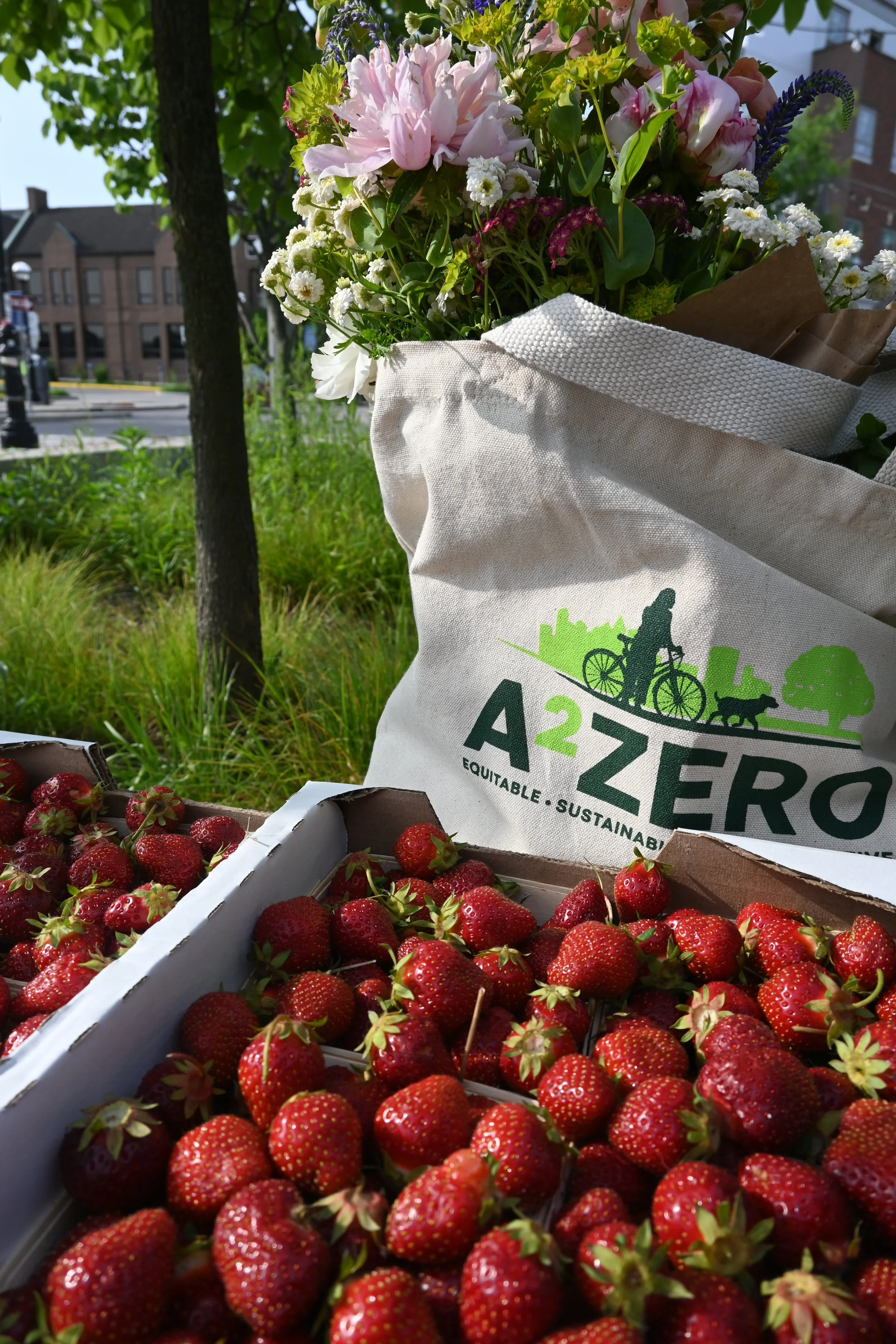
Local Is Sustainable: Farm Stop Sustainability with A2Zero
At Argus Farm Stop, our primary goal is to foster a thriving local food economy by supporting small, local Michigan farmers and increasing food access for our community. One key element in achieving this goal is collaboration with local organizations that prioritize food access and sustainability. A great example of such an organization is A2Zero, a program through the City of Ann Arbor focused on creating a climate action plan to achieve carbon neutrality by 2030. The plan includes a variety of sustainable solutions, one of which is rethinking how our communities approach food waste and consumption.
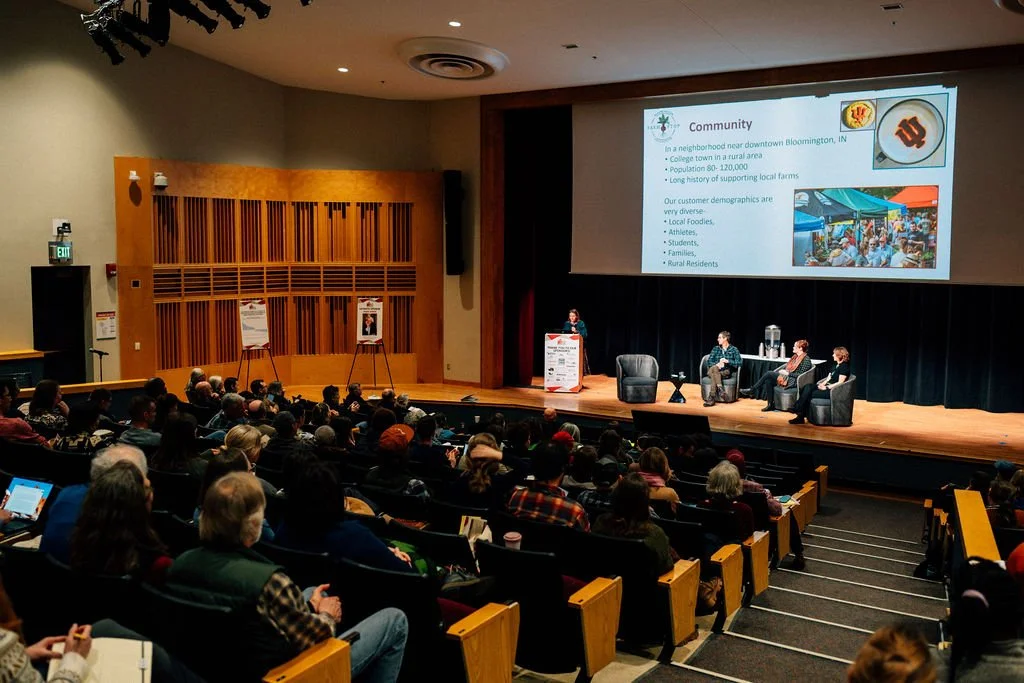
The Growing Wave Of Farm Stops: Farm Stop Conference 2026
This February, Argus Farm Stop hosted the third annual Farm Stop Conference, bringing together farmers, policy makers, entrepreneurs, and pillars of local food systems across the country. The conference exists to encourage people nationwide to start their own farm stop, providing them with resources and connections as they navigate their journey toward strengthening local food systems. Since the conference started in 2024, attendance has nearly tripled. I spoke with Casey Miller of Argus Farm Stop about what it takes each year for her and Argus Farm Stop’s team to organize this major event.