Valuing Local: How Local Farmers Price Their Produce
Supporting your local food economy should be simple: buy from local Michigan farmers, and enjoy fresh, nutritious, delicious produce. However, with rising grocery costs, price differences between a farm stop and a grocery store can be a serious hurdle for many folks wanting to shop local. Why is it that local food can end up more expensive than food in traditional grocery stores? How do we ensure local Michigan farmers are paid a fair income while keeping their food accessible to our community?
To answer this question, I spoke with Alex Blume, Argus Farm Stop’s Marketing Manager, about how pricing works at Argus Farm Stop, and how we work with local farmers and organizations to create access to the best, locally grown produce.
Local farmers use multiple avenues to sell their produce, including high margin channels like farmers markets and farm stands. Shopping through these avenues provide you with education on what’s in season and how your produce is grown. You also gain the opportunity to build relationships with your local producers. These producers keep most of the money you spend at the farmer’s market, unlike at traditional grocery stores. With this in mind, how does the farm stop continue that support for local farms?
Argus Farm Stop builds on the farmers market model, while offering the convenience of a traditional grocery store. Open seven days a week, Argus Farm Stop provides a grocery-style setting exclusively for local farmers and producers to sell their produce, increasing convenience while maintaining margins that keep these farms in business. As Alex puts it, it provides consumers with “the best of both worlds.”
At traditional grocery stores, there is a long chain of middlemen in between the farmer and shopper. With wholesale buying happening all along the chain, the farmer ends up making, on average, 15 cents for every dollar we spend on their produce. The farmer also has no control over how their produce is priced. Stores will price it at what they want, sometimes at a loss, to get customers in the door. This takes leverage away from farmers in negotiations.
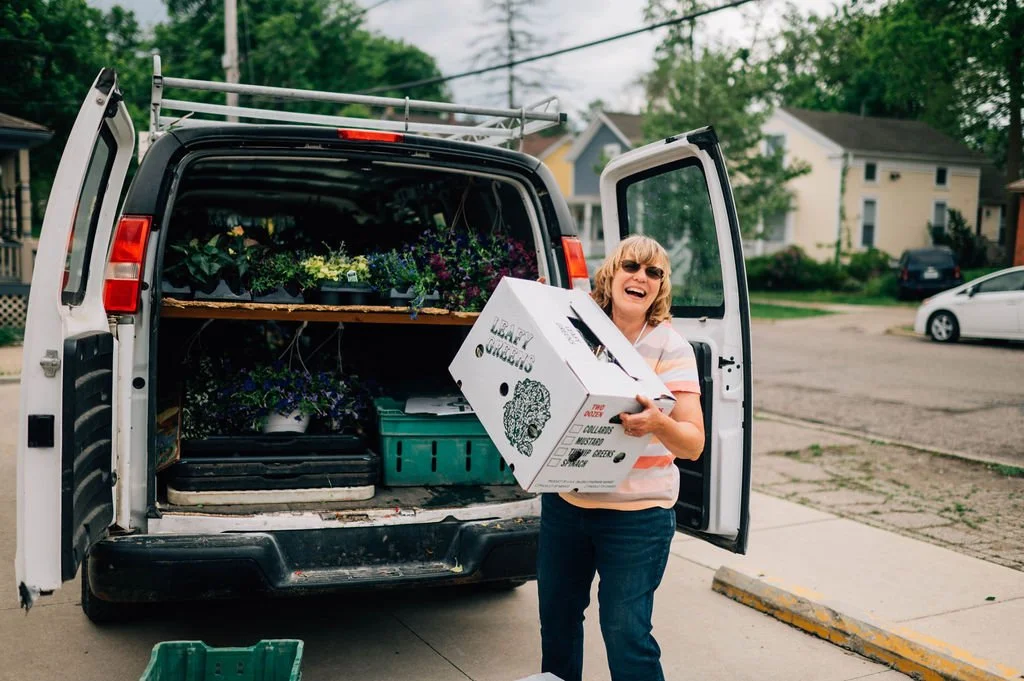
The farm stop consignment model is much simpler. Argus Farm Stop directly pays our farmers 70% of each sale they make, keeping 30% for operational costs. This is what we refer to as our “70/30 model.” Through this model, we’ve helped local shoppers pay over $30 million back to local farmers and producers over nearly 12 years in business.
Unlike many traditional grocers, Argus Farm Stop operates as an L3C, which essentially means all profit has to be reinvested into the business and its mission: growing the local food economy. Any profit Argus Farm Stop makes in a year that does not go directly to local farmers is reinvested in costs for our operations and food access programs. Larger grocery chains are typically for-profit, with several chains generating billions of dollars in profit each year, most of which is not reinvested in the employees, farmers, or food access for communities.
The growing practices we support at Argus Farm Stop also differ significantly from many grocery stores. Alex notes that traditional grocers often support growing practices which “aren’t always good for us or our planet, providing very little leverage in supporting the farmers and knowing where our food is coming from.”
Alex continues: “Argus Farm Stop, on the other hand, ensures farmers receive a pay that is able to help them continue to stay in business, continue to keep their land, and continue to grow in ways that are better for us and our community.” Creating growth and opportunity for local farmers helps create food secure communities by guaranteeing the land is used to grow food instead of being bought out, developed, and paved over.
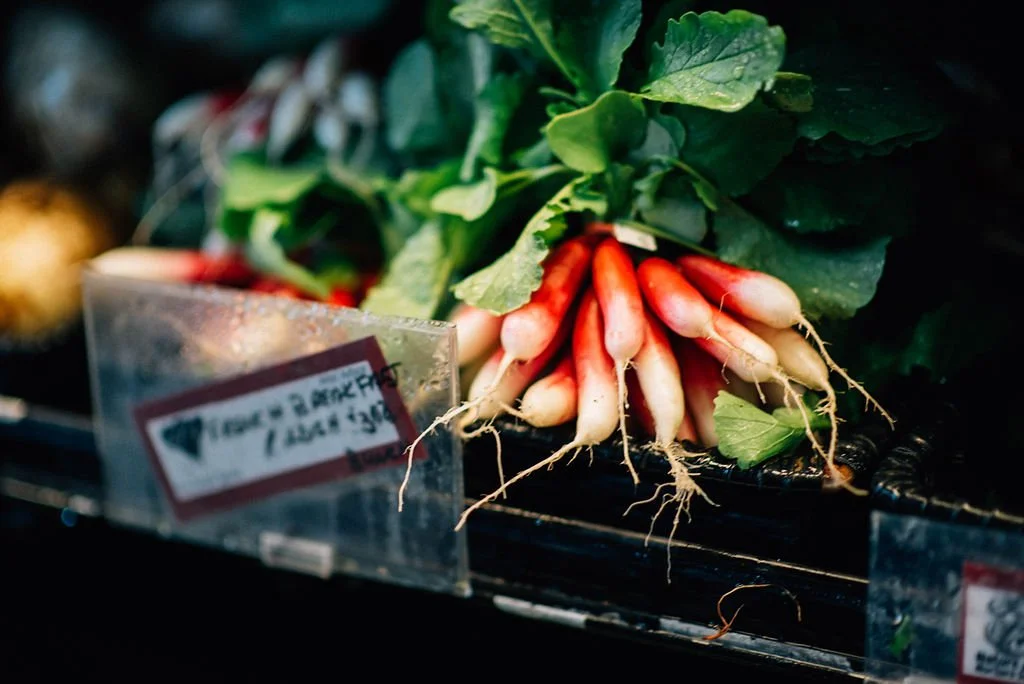
At Argus Farm Stop, every fruit and vegetable you buy is labeled with the name of the farm that grew it. We ensure all signs and barcodes follow this system, that way when you go to buy radishes, you will easily be able to tell they are from “Dog Star Farm.” When you purchase tatsoi from us, it will be labeled under “Green Things Farm Collective.” Each item has its own identification number in our computer system, helping us guarantee that every farmer is paid accurately for any produce they sell.
The farmers also choose their own prices based on what is necessary to sustainably operate their farm.
When farmers decide their pricing at Argus Farm Stop, it often aligns with farmers market costs. Their pricing is based on what is going to help keep their “bottom line healthy.” Argus Farm Stop provides feedback to our farmers when we notice their produce might be priced too high or low, but it is ultimately the farmer’s decision. This decision is shaped by many factors, including cost of labor, certifications, and maintenance for machinery.
In order to meet the expensive cost of the USDA organic certification, Michigan farmers may charge slightly more for their produce. This is why some farms, like organic certified and Real Organic Project certified Green Things Farm Collective, charges $5 for a pound of kohlrabi, while Prochaska, a non-certified farm, charges about $3. One farm prioritizes growing practices, while the other prioritizes accessibility. Both are equally delicious, exemplifying the importance of Argus Farm Stop offering a diversity of farmers’ produce to choose from.
Operational costs for small, local farmers also tend to be more difficult to meet than for large-scale farms. As Alex puts it, “A lot of big farms are able to have better contracts and availability with some of their manufacturing suppliers.” For example, if a tractor breaks down, a larger farm with a better contract will likely have an easier time negotiating with the manufacturer on the time and cost to get it fixed than a smaller farm might. Large farms with hundreds or even thousands of acres can access economies of scale, providing large amounts of produce to fit wholesale orders at lower prices.
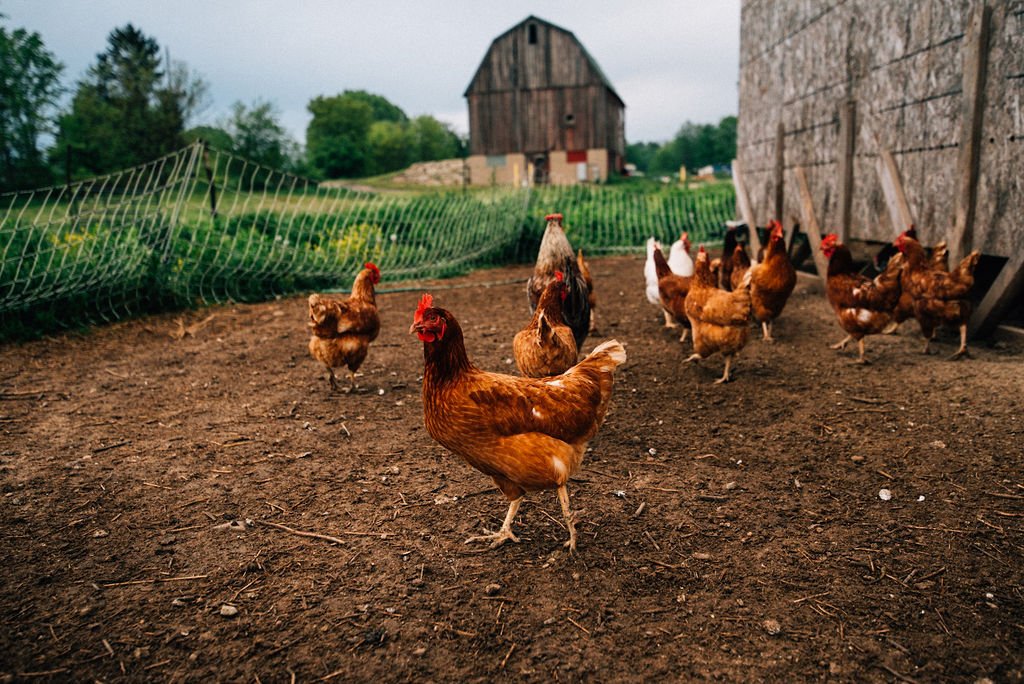
Our farmers operate on less acreage, exhibiting “better stewardship of the land,” while large farms may sacrifice health of the land, soil, and laborers to grow massive amounts of produce year-round. Growing this produce year-round ultimately results in a loss of small, local farms in our neighborhoods, and a loss of “freshness, taste, growing practices” and the overall quality of produce. As our small farms in our community struggle to compete, our community’s ability to grow food at all can disappear.
Weather is another big factor impacting costs. Alex notes: “While the American Midwest is one of the greatest agricultural regions in the world, we have one big thing that has caused us to shift a lot of our agriculture away from this region — our winters.”
Winters in the Midwest and the subsequent frosts halt the production of most produce varieties, preventing farmers from growing produce during a significant chunk of the year. In order to grow year-round, agricultural land has shifted to Southern California and Arizona — both water-insecure areas. Meanwhile, the American Midwest is losing its agricultural land, making it less food secure.
“We saw this with the pandemic. A lot of food supply chains were breaking down.” In spite of this, Michigan farmers were still in business, growing great food that is “fresh, seasonal, and local for people like you and me.” Local farmers’ ability to keep a steady income and keep our communities food secure was in part thanks to the farm stop model being much more resilient than traditional grocery models.
Sometimes, prices are tied to the literal process of growing the produce. Some produce at Argus Farm Stop, like potatoes, is easier to grow and store, and is consequently comparable in price to produce sold at major grocery chains.
On the opposite end lies garlic. Alex notes that garlic is usually “super easy and fantastic to grow in your own home,” but there are multiple factors that raise the price of garlic from local farms. Garlic at Argus Farm Stop can range from $3-6 per head, while many major grocers charge $2-3 for several heads of garlic.
Why the stark difference in price?
To grow garlic, small farmers need to dedicate a large portion of their land to it for 9-10 months of the year. Local farmers like Dave Steinhauser plant their garlic as early as October, and it will not be harvested or cured until July at the earliest. To satisfy our garlic needs until harvest, local farmers bring us uncured garlic and garlic scapes in early summer, which are more subtle in flavor.
While shoppers always know where their garlic comes from at Argus Farm Stop, garlic at other local grocery stores is hard to trace. In the 90’s, some garlic imported into the United States was sold at a “price dump,” or at a loss. Selling garlic for much less than it cost to grow it caused many long-standing American garlic growers to go out of business. Today, a monopoly of garlic exporters is no longer a far-fetched concept.
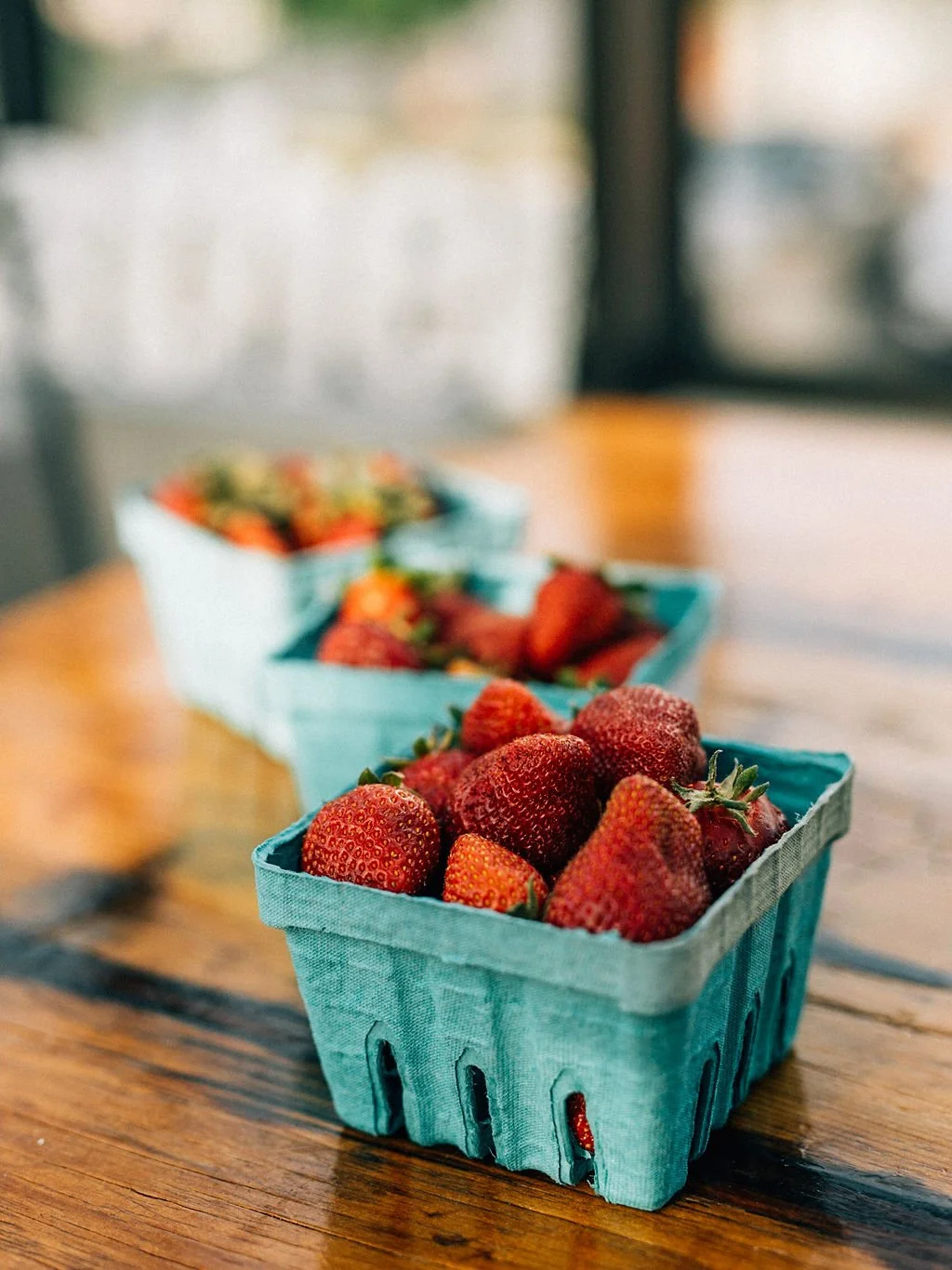
Strawberries are another great example of a product that is more expensive to buy locally. Strawberries are perennials, meaning they will continue to grow on the land for years, not needing to be replanted each season. While there are benefits to this, the downside is they take up a large part of the farmer’s land throughout the year, just to fruit for only three weeks in June. They are incredibly fragile and sensitive to changes in weather. This year, harsh frosts impacted many of our local farmers’ strawberry harvests.
Fresh, locally grown strawberries in season are some of the best, most flavorful fruit you can eat in Michigan. When larger farms focus on cutting costs in order to grow strawberries year-round, this impacts the flavor and quality of the fruit. Large-scale farmers might be adding fumigants to the soil or maintaining unfair labor practices to keep up with high demands. As consumers, it is important to consider what the cost is of devaluing food in these ways, and how some large farms’ decisions impact the quality of what ends up on our tables.
With all of these considerations in mind, we start to understand why strawberries grown in season by local Michigan farmers are more expensive than those sold at a major grocery chain. To learn more about what it takes for local farmers to grow strawberries, check out last year’s blog post here.
So, how do we make produce that is more expensive accessible to lower income members of our community?
Alex shares that “Argus Farm Stop takes advantage of a lot of ways in which we can help fight food insecurity here in Washtenaw County.”
Argus Farm Stop works with several Michigan organizations, including the Fair Food Network in Detroit, which helped bring about the Double Up Food Bucks Program. This program helps ensure EBT paying customers receive 50% off fresh, local produce at Argus Farm Stop.
“The Double Up Food Bucks Program really helps people facing food insecurity get great, healthy food. I can’t really think of a better way to use those funds.”
We have also worked with the Michigan Fitness Foundation, Kiwanis Club of Ann Arbor, Rotary Club of Ann Arbor, Jewish Family Services of Washtenaw County, Growing Hope, and Food Gatherers to expand food access in our community. Some of our food access initiatives are subject to grant funding at the local, state, or federal level. For years, we were able to provide our Weekly Produce Box, a $30 value, to customers using an EBT card for $7.50. While funding has impacted that campaign and EBT funds in general throughout the past year, we are always looking for ways to expand local food to our entire community regardless of income.
Our goal at Argus Farm Stop is to create an environment where both farmers and customers are taken care of. By working closely with our local farmers and food access organizations, we help achieve this goal. Our prices, as Alex concisely puts it, are “representative of the product itself,” reflecting the high quality and true cost of produce sold at Argus Farm Stop. Seasonality, sustainable growing practices, ethical labor practices, and other factors all contribute to costs of goods at Argus Farm Stop.
While it is difficult for us to know where our money is going at traditional grocery stores, it is simple at Argus Farm Stop. Your money goes directly to the farmers and producers growing your food, the staff who keep our doors open year round, and toward food security measures for our community. Our hope is that our customers are able to understand these costs and continue to access the wonderful food our producers provide us with day in and day out.