Supporting Local Meat Farmers & Ethical Practices: The Local Cuts Club
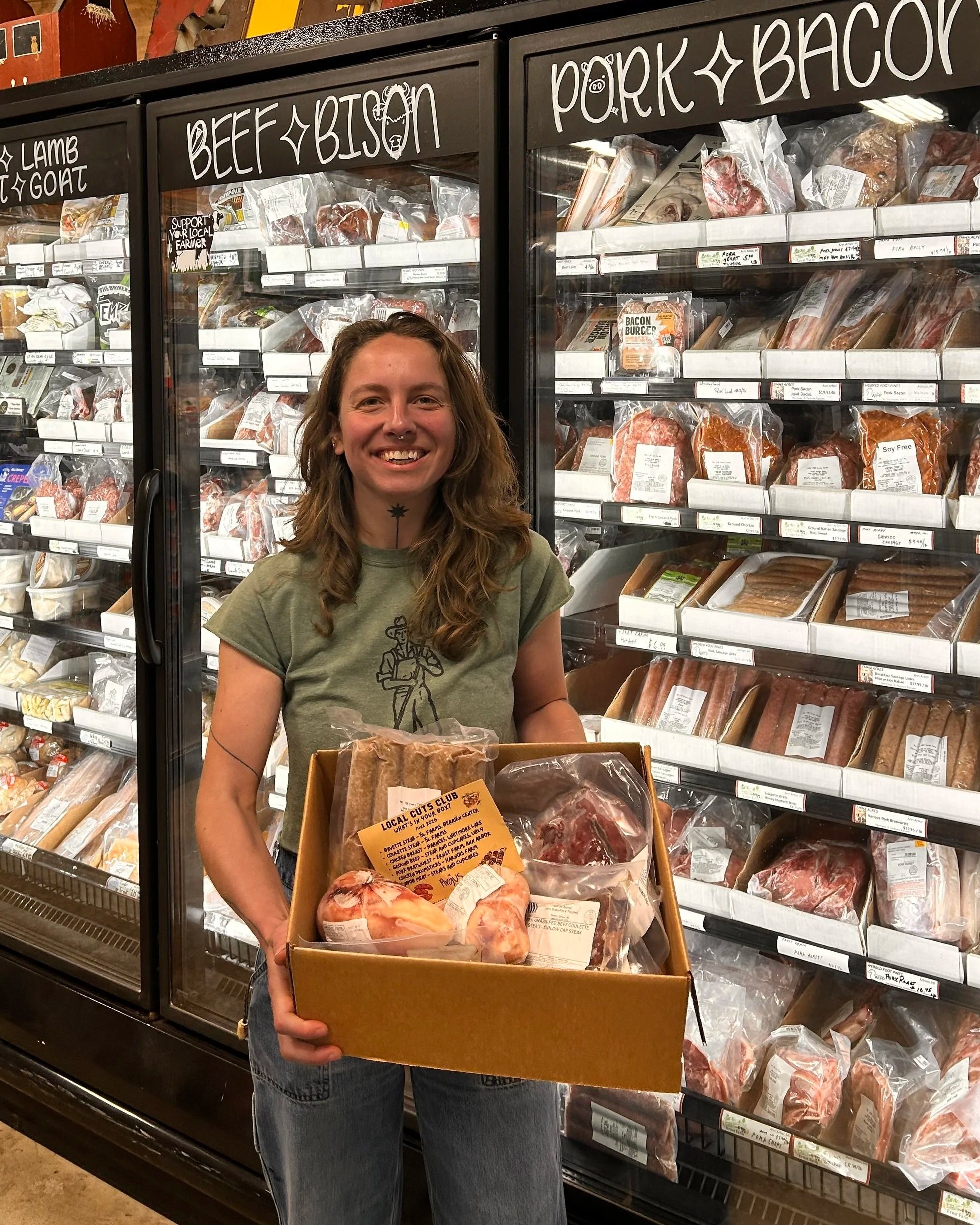
While our customers often pause to admire the vibrant produce, freshly baked bread, and cafe offerings available at Argus Farm Stop, we also offer a wide variety of meat products that are key contributors to our local food economy. Local Michigan farmers who sell through Argus Farm Stop work hard to ensure their animals are raised humanely, providing them with rich, full lives, often implementing sustainable farming practices before the animals are processed to sell in store.
To make shopping for meat easier, we started our Local Cuts Club: a monthly subscription service that provides our customers with high quality meat raised locally and ethically. Alex Blume and I spoke with Argus Farm Stop’s very own Rosie Estes, who, among her many other responsibilities, runs our Local Cuts Club subscription.
Argus Farm Stop’s Local Cuts Club, created in June 2023, was “born out of a desire to support and uplift a very vital and overlooked part of the local food system—livestock.” It is a monthly subscription box which contains cuts curated by Rosie, including a variety of pork, beef, chicken, lamb, and fish. The Local Cuts Club comes in two sizes to choose from, depending on your needs. The small box generally suits the needs of 1-2 people, while the large box can accommodate a family of 3-4 (or 1-2 people who enjoy local meat daily). The boxes are available on the first Thursday of each month.
Rosie and the team at Argus Farm Stop created the Local Cuts Club because they saw how important our local meat producers are in creating a resilient local food economy. Our farmers tend to their animals with care and consideration for “the soil, land, and the animal.” Many of our farmers use practices like rotational grazing—a method of farming which allows animals to move around different areas of the farm to graze the land, mimicking how these animals would naturally graze in the wild. This practice aids in the animals’ health and in creating nutrient-rich soil for native plants to grow and thrive.
Regardless of the specific methods our farmers implement, all of them operate at a small-scale, which means they are able to take the time and care necessary for raising these animals humanely, unlike many farms which operate at an industrial level. Large-scale farms are often struggling to compete for slots in meat processing plants operated by the “Big Four” meat processors: Tyson Foods, JBS, Cargill, and National Beef Packing Co. These companies hold a monopoly on the meat industry, controlling over 80% of the beef market and running the majority of meat processing plants.
Farms that have contracts with the Big Four often sacrifice ethical farming practices for the sake of production quantities. Animals raised on these farms are often confined to small spaces for long periods of time without proper care or nutrition. Some animals, like breeder pigs, are confined for upwards of five years to crates so small they do not have room to turn around, causing chronic stress. Some states, including California and Massachusetts (which control 15% of the pork industry), have passed laws prohibiting the use of these crates, but Congress is currently in the process of overturning these laws.
During a recent trip to Colorado, Rosie traveled through a town with a JBS processing plant. She drove through upward of thirty miles of large CAFOs (concentrated animal feeding operations). In CAFOs, a certain number of animals are confined for at least 45 days of a 12-month period. Large beef CAFOs typically contain 700-1,000 cows.
Employees of the JBS plant are expected to process at least 420 to 430 cattle per hour. Nearly 4,000 of these employees recently went on strike due to JBS’s unfair labor practices, including cutting their hours and refusing to raise wages while simultaneously increasing the amount of cattle they are expected to process per hour.
The problems caused by the Big Four are not restricted to large-scale farms. Rosie notes that the Big Four “squeeze out small farmers,” like our local Michigan farmers, who are subject to the monopoly they hold on meat processing. Our farmers are required by law to process their meat at USDA-approved processing facilities in order to sell their products in retail stores. This is a positive thing, ensuring our food is carefully examined and handled safely, which keeps consumers like you and me healthy. However, most USDA-approved facilities are owned and operated by the Big Four, leaving little room for small and local processors to own their own plants. There are many other barriers to starting a local meat processing plant, including a shortage of skilled labor to staff the plants.
Consequently, the number of processing facilities run by small, local businesses are few and far between. This means small Michigan farmers, like those who sell through Argus Farm Stop, often have to travel upward of 100 miles to get their meat processed. These appointments also have to be booked far in advance due to lack of staff. Traveling long distances and having long wait times for appointments are significant costs to small-scale farmers, so when people in our community buy from these farmers, we help ensure they can meet these costs and continue to operate.
Witnessing the reality at the heart of the meat industry in the U.S. renewed Rosie’s long time passion for creating access to local food in our communities. She is “disappointed by the global food system many U.S. consumers rely on.” Rosie has taken great care in creating the Local Cuts Club to support local farmers raising animals well, while providing the community with the best choice cuts these farmers have to offer.
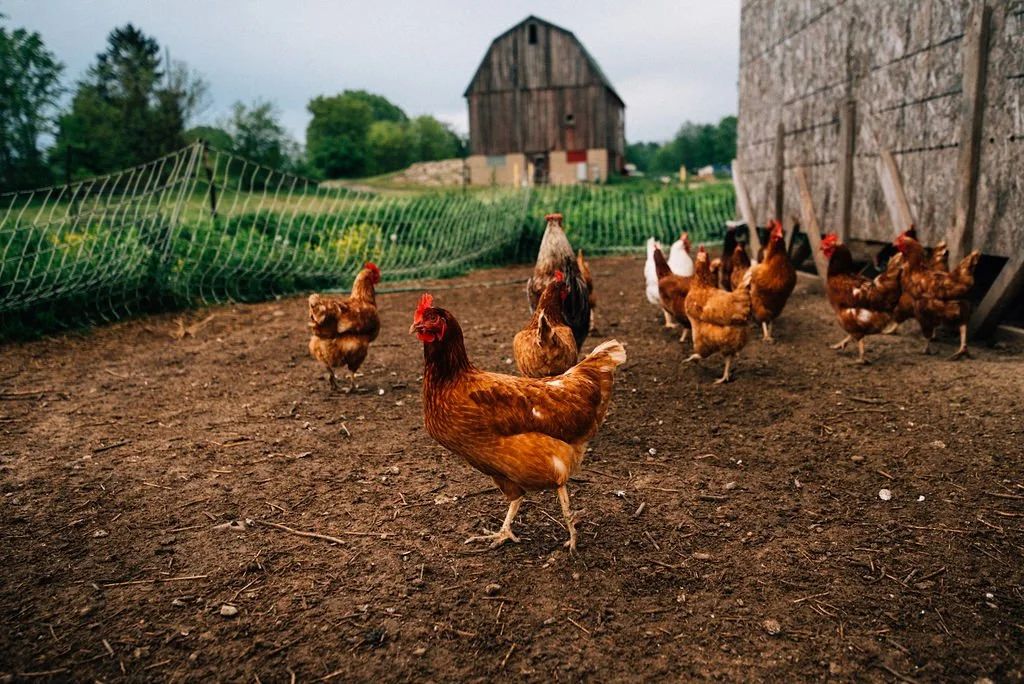
When purchasing meat from Argus Farm Stop, you are making a more sustainable choice than if you were to purchase from companies like Tyson or JBS. Small livestock farmers create far less emissions than large-scale farms and often implement more ethical practices.
With each Local Cuts Club box, you are supporting local farmers who raise their animals with the utmost care.
Having worked closely with Argus Farm Stop’s meat producers over the last eight years, building lasting relationships and visiting many farms, Rosie can say with confidence that these are people who put an incredible amount of effort into giving their animals a happy, healthy, stress-free life.
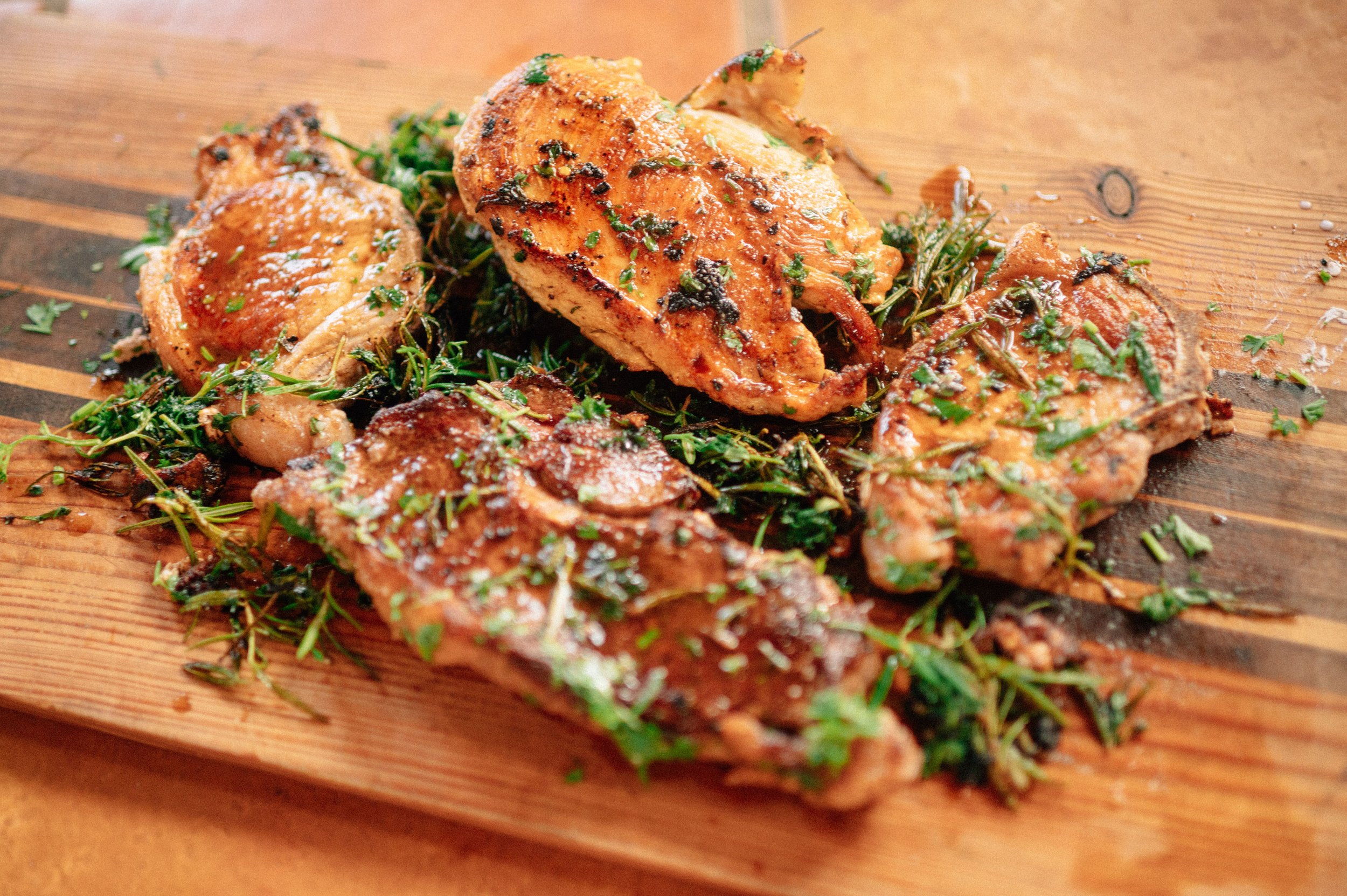
The care that small Michigan farmers put into raising these animals translates to the quality of the cut on your plate. Argus Farm Stop offers only the highest quality meat raised by our farmers, and Rosie carefully curates the Local Cuts Club boxes each month. She usually includes beef, chicken, pork, lamb, and fish, assembling a balanced selection of staples and prime cuts for you and your family to enjoy.
If you are interested in signing up for our Local Cuts Club subscription, you can find more information on our website: Argus Farm Stop’s Local Cuts Club. They are available for pick up on the first Thursday of each month. You can also visit Argus Farm Stop seven days a week to purchase meat from any of our wonderful local meat producers.