Starting With Intention: Nature & Nurture Local, Heirloom Seeds
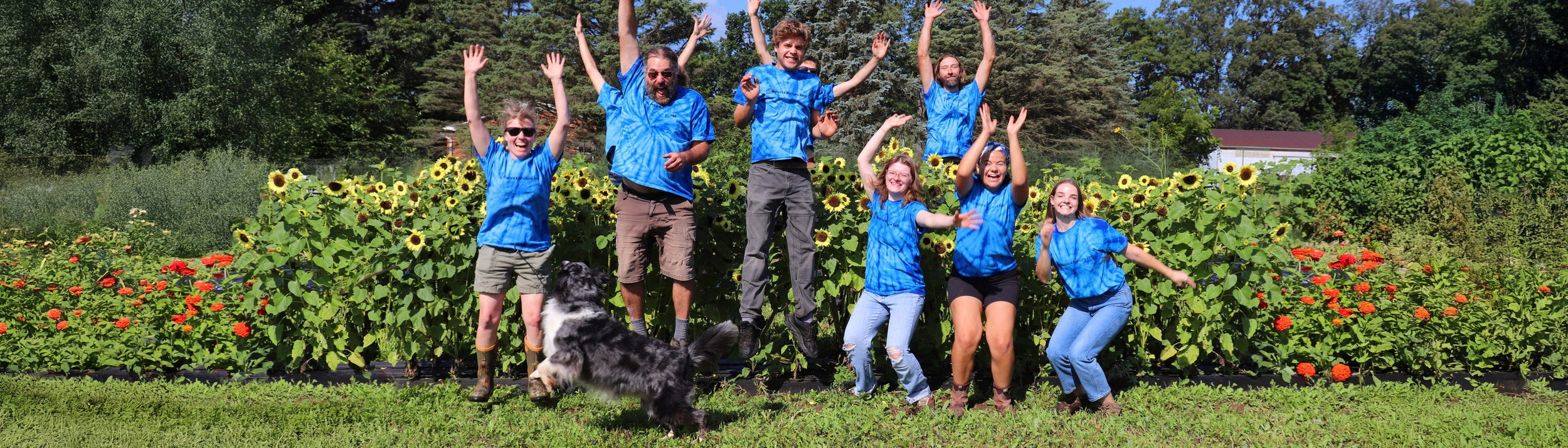
The team at Nature & Nurture
Now that it’s finally starting to warm up in Michigan, it’s time to start thinking about planting fruits and vegetables for the late summer or fall harvests. Argus Farm Stop offers an abundance of plant starts during this time of year, as well as a huge variety of organic seeds from Nature & Nurture Seeds to purchase for your garden. Nature & Nurture breeds open pollinated and heirloom seed varieties and sells some of their beautiful heirloom tomatoes in late summer. The farm also offers educational resources for new gardeners seeking advice on what to plant and how to optimize growth in their gardens. Alex Blume and I spoke with Erica Kempter and Mike Levine, founders of Nature & Nurture Seeds, about how they breed new seeds for Ann Arbor and its surrounding communities to enjoy.
Erica and Mike founded Nature & Nurture in 2001 as a garden consulting business. They installed gardens and offered new gardeners advice on how to successfully grow and maintain organic, native fruits and vegetables in Southeast Michigan. In 2004, Erica began breeding her own organic plant seeds. They also started a backyard nursery for mushrooms, mainly shiitake, which they sold to local Ann Arbor restaurants. They acquired their farm in 2013, and by 2014, Nature & Nurture was established as primarily a seed company serving the west side of Ann Arbor.
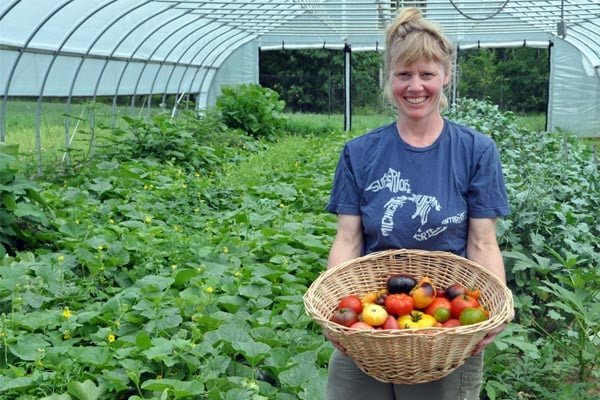
As of this year, Nature & Nurture offer dozens of varieties of seeds, including pawpaws, peaches, cherries, and rhubarb. They intend to ramp up within the next several years in order to offer a greater variety of organic seeds. All of their seeds are open pollinated or heirloom varieties. Open pollinated seeds grow flowers which are pollinated by insects, birds, wind, or other natural pollinators. Some open pollinated plants can self pollinate, meaning they grow flowers with both the pistil and stigma present for reproduction. Heirloom seeds are open pollinated seeds that are passed down through generations. As Erica and Mike described them, they are “old open pollinated varieties.”
What is open-pollination?
When agriculture first started over ten-thousand years ago, farmers would select fruit and vegetable seeds for flavor, size, and durability to grow the following year. They could only select open pollinated seeds, as these are the only ones that would grow the same way the next year. Erica and Mike point out that this is what makes them unique from hybrid varieties. Hybrid varieties are seeds which are cross bred to produce higher yields of disease-resistant, uniform fruits and vegetables.
While this seems like a good idea, hybrids do not produce “true copies,” meaning if you were to replant the same seeds the following year, the resulting fruit or vegetable would likely have no resemblance to the original type you grew the year prior. Consumers are thus left to repurchase the same hybrid seeds each year if they want to plant them in their gardens. While it’s great to grow plants which are resistant to pests and disease, people sometimes refer to these kinds of seeds as an “evolutionary dead-end” due to their unreliable reproductive habits.
This makes open pollinated and heirloom seeds more sustainable. Gardeners can save these seeds for following years and know they will grow the exact same vegetables with them as they did the year prior. Erica and Mike have selected these seeds for taste and durability. Erica and Mike describe them as “better for flavor and longevity.” Purchasing these kinds of seeds also protects the “intellectual property” of the gardeners that bred them. You are supporting local farmers and keeping the seeds “in the hands of the people.” They also aid in creating a biodiverse, healthy environment.
Their work highlights the labor-intensive reality behind hybrid seed production, which requires humans to pollinate the seeds since they cannot be naturally cross-bred and pollinated. Hybrid seeds are usually bred and sold at an industrial scale, and the companies selling them often utilize unethical labor practices. Since Erica and Mike operate at a smaller scale, they can closely observe subtle changes in plant varieties and adapt them to produce high-quality, consistent seeds, while using fair labor practices.
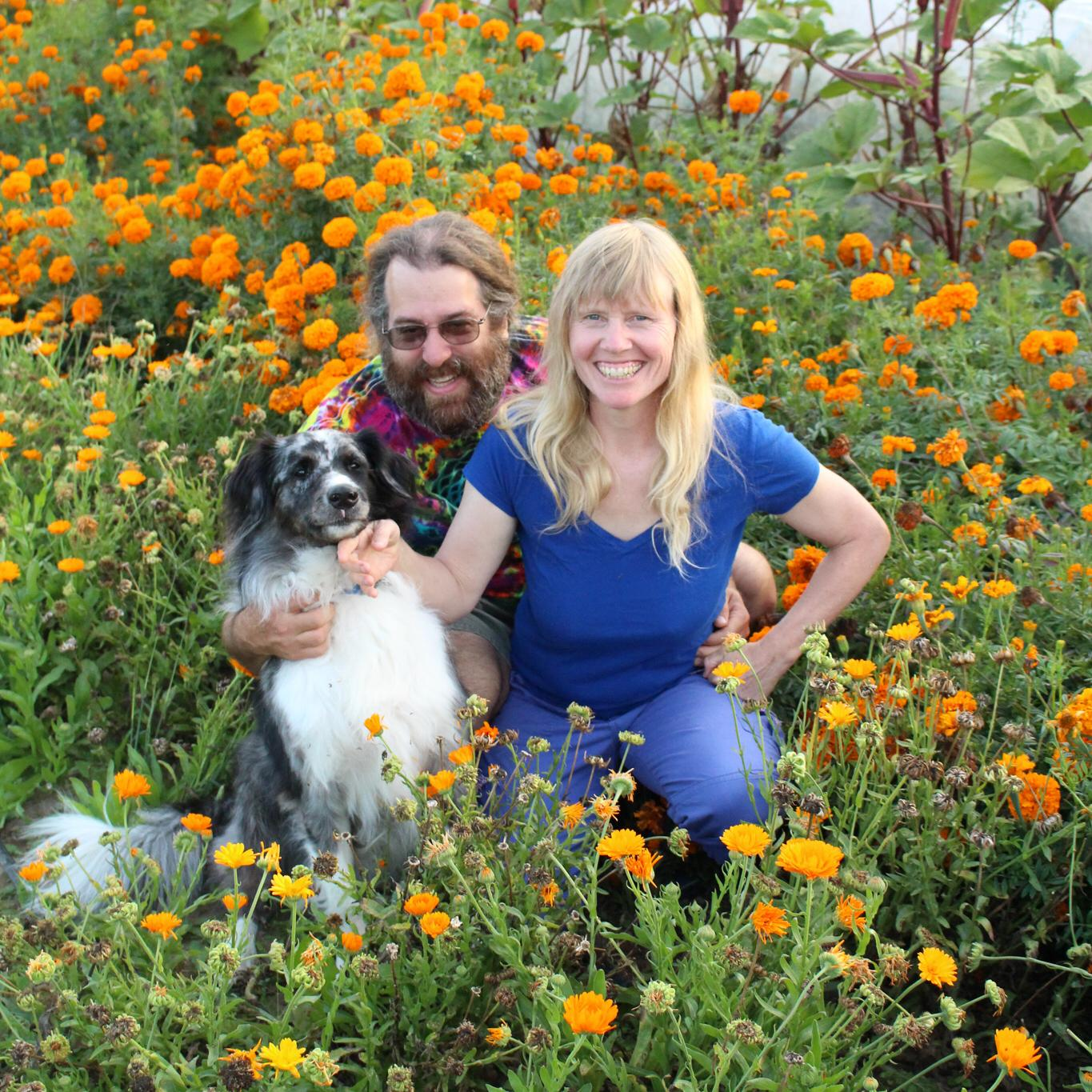
All of Nature & Nurture’s seeds and produce is organic. This means Erica and Mike do not use pesticides or herbicides, focus on soil health, and select plants that naturally grow and thrive in Southeast Michigan. Rather than forcing plants to perform under artificial conditions, they cultivate varieties that are more resilient and better able to absorb nutrients from the soil to produce seeds.
Erica and Mike are passionate about encouraging others to maintain organic growing practices and to learn about growing open pollinated and heirloom seed varieties. They offer a variety of educational resources for new or experienced gardeners, such as planting calendars which specify the best dates to plant certain fruits or vegetables. They have growing resources for common crops, such as many pepper varieties. They have a monthly newsletter, which dives deeper into growing practices and food preservation (such as what produce should be frozen versus canned).
How To Start A South East Michigan Garden
For those struggling to figure out what to plant, their advice is simple. You should start with crops you enjoy eating. Many of their seeds can be directly sown, making gardening less intimidating for newcomers. Some seeds that need to start indoors are relatively easy to care for until they can be transferred outside, including many herbs like green onions or basil. They also recommend planting hardy greens like kale, chard, and collards, since they are perennials which will continue to grow until the first hard frost. They strongly recommend that any new gardeners fence their gardens. Otherwise, deer, groundhogs, rabbits, or other animals will get into them.
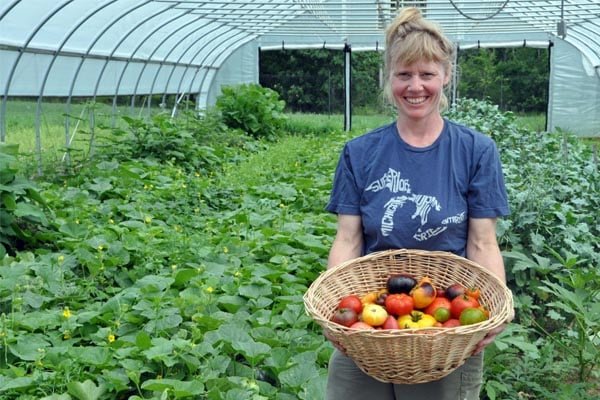
Erica and Mike have adapted their seeds, many of which are unusual or new varieties, to thrive in Michigan and to have optimal flavor profiles. A few of these unusual varieties are Erica’s tomato breeds. Erica has been breeding tomatoes for twenty years, and now has two primary varieties: the Jada and Jewel tomatoes. They are pink cherry tomatoes with golden stripes that are bred for flavor. They have sweet, umami, and sour notes, with the Jewel being especially sweet. In August, Erica and Mike host a tomato tasting event for the Ann Arbor community to try these and their other varieties and offer feedback. You can find Erica’s delicious tomato varieties around July and August at Argus Farm Stop.
Besides tomatoes, they grow many types of lettuce, leafy greens, and fruits. However, Erica and Mike do not harvest all of their vegetables. Many are left to continue growing so that they can harvest as many seeds from each plant as possible. This year, they’re hoping to sell a small amount of pears and peaches in addition to Erica’s Jada and Jewel tomatoes, all of which you will be able to find at Argus Farm Stop this summer.
You can find Nature & Nurture’s seeds at Argus Farm Stop, as well as through their website at Nature & Nurture Seeds. For new gardeners, you can also find educational resources, such as their planting calendar, through their website.
Nature & Nurture is a non-profit farm run primarily by Erica and Mike. If you are interested in volunteering to work on their farm, feel free to reach out to them at [email protected] for more information.
While many seeds sold by larger companies are dependent on unethical labor practices and unreliable breeding methods, it makes a huge difference for local customers to shop for seeds through small, local Michigan farmers like Nature & Nurture Seeds. Their heirloom and open pollinated seeds offer a reliable, sustainable alternative to industrial hybrid varieties.