Chestnuts and Hazelnuts in Michigan: Vicary Road Farm
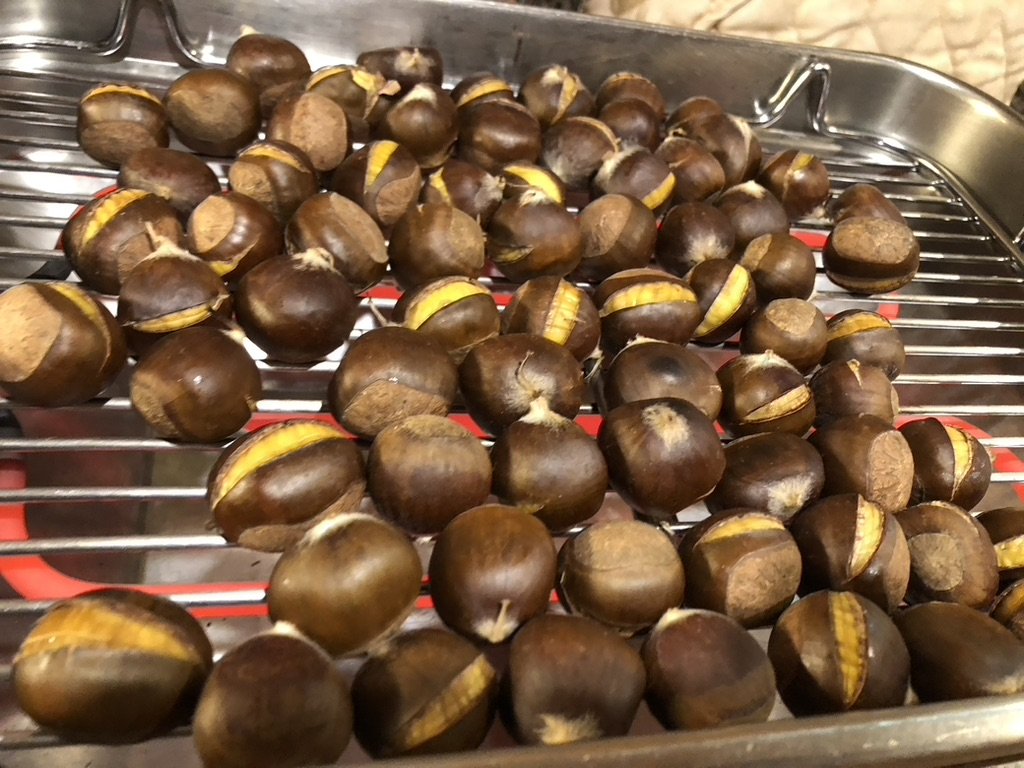
As we near the end of the year, people across Southeast Michigan prepare for the holidays by crafting gifts and making plans to see loved ones. Locals gather ingredients to prepare classic, cozy dishes, and kitchens across the country fill with the aroma of roasted hams and turkeys and freshly baked pies. This winter season, bring something local to your dinner table with two underrated holiday staples: Michigan-grown chestnuts and hazelnuts.
At Vicary Road Farm, located in Southeast Michigan, Virginia Rinkel and her husband grow a wonderful variety of fresh, sweet chestnuts and hazelnuts. The chestnuts are delivered to the cooperative they belong to, Chestnut Growers, Incorporated. Virginia told us all about how Vicary Road Farm got started, the nature of chestnut and hazelnut farming in Michigan, and how CGI operates.
Why You Should Purchase A Local Turkey This Thanksgiving: Webbed Foot Pines
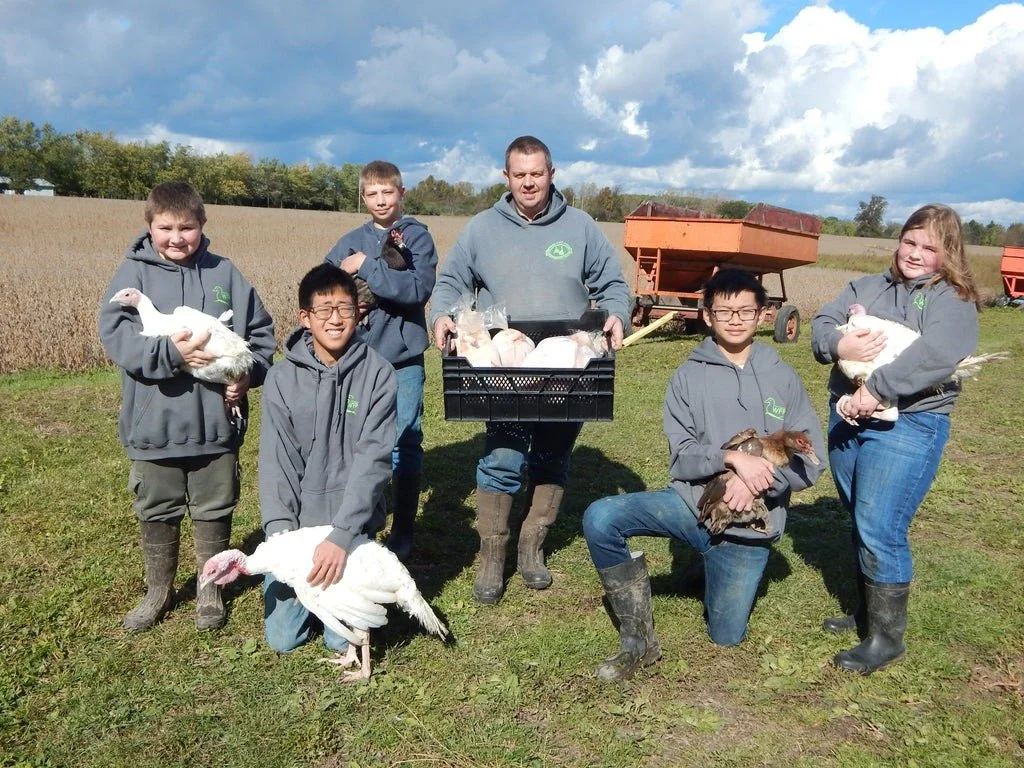
As we prepare to gather our friends and families around a table full of fresh food, we spend a lot of time preparing for the traditional centerpiece of Thanksgiving; Turkey. Instead of buying your turkey from the supermarket, consider buying from one of our local farmers at Argus Farm Stop. Local birds are grown ethically and with careful consideration for what will create the highest quality. To learn more about what goes into local turkey raising, Alex Blume and I recently spoke with Lucas Dickerson of Webbed Foot Pines about his turkey growing practices, and why his turkeys are some of the best you can buy for this upcoming holiday.

Michigan’s Native Fruit: Paw paws with David Swain
As the weather begins to cool and leaves change color, a very special fruit makes its way to Argus Farm Stop. North America’s only native fruit tree yields its harvest in the form of the Paw paw, a fruit that is native to the American Midwest. Despite living in the Midwest for the past seven years, I had never heard of a paw paw until I began working at Argus Farm Stop. I have thankfully come to understand how special this fruit is. It has a custard-like texture, and tastes like a cross between a banana, mango, and papaya. Alex Blume and I spoke with one of our paw paw farmers, David Swain, about his process for growing and harvesting this novelty fruit.
Growing People By Growing Food: We The People Opportunity Farm
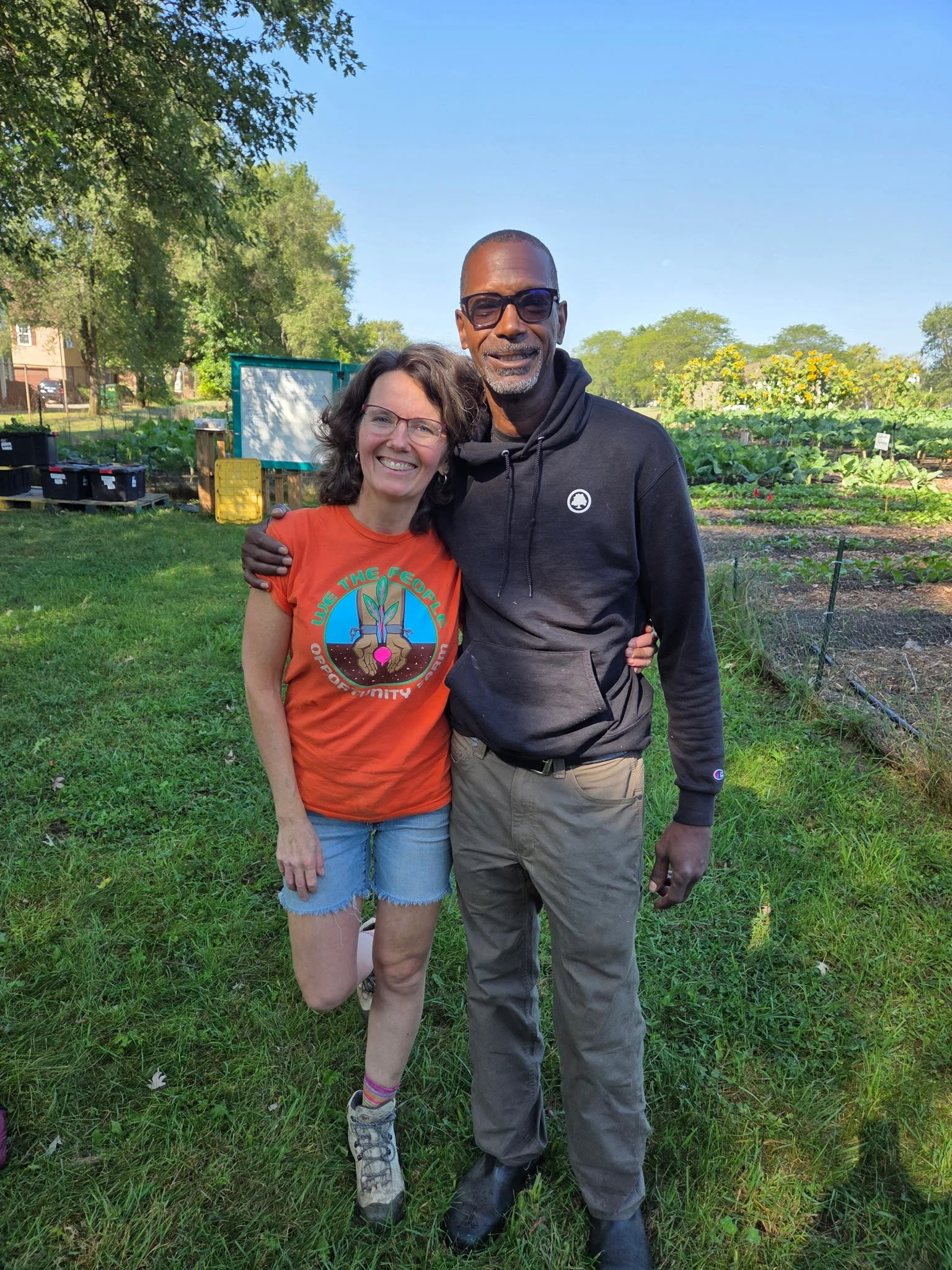
September is a special month for Argus Farm Stop. Each September, we host our annual Food Access Round-Up Fundraiser, supporting our Food Access initiatives. Rounding up helps us expand local food’s reach to our entire community by offering 50% off fresh produce to those paying with an EBT Card with no daily limits, donating $300 worth of produce boxes each week to Jewish Family Services, and supporting the staffing to maintain our 75% discount on our Weekly Produce Box to those using an EBT card. We aim to raise $12,000 to support these initiatives. With our attention turned to food access, September is a great time to highlight a champion of farming and food accessibility, Melvin Parson of We The People Opportunity Farm.
The Local Tomato Difference: Green Things Farm Collective
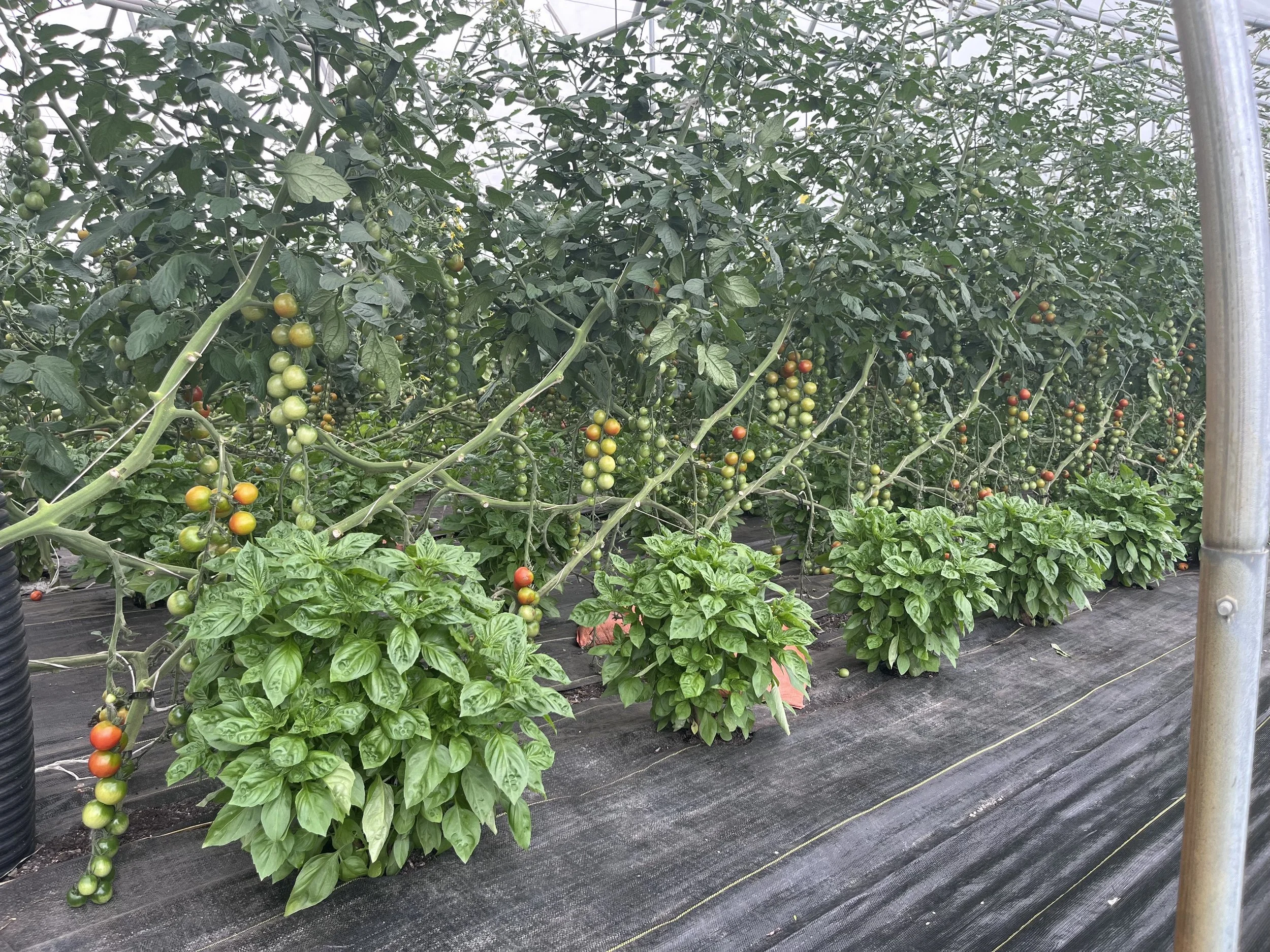
As the Michigan summer moves into its final phase before fall, one of local foodivore’s favorite harvests finds its way into farmers markets across the state. We’re talking about the versatile, flavorful, and beautiful tomato. Unlike other beloved local produce like strawberries and asparagus, tomatoes have a relatively long season, but they do have a season indeed, as much as conventional grocery stores would show you otherwise. To learn more about what it takes to grow the delectable, local tomatoes that dwarf their super market counterparts, we talked with Eli, production assistant at Green Things Farm Collective about their tomato crops, growing practices, sales channels, and also their famous lettuce!
The Beauty Of Local Flowers On And Off The Farm: Raindance Farm
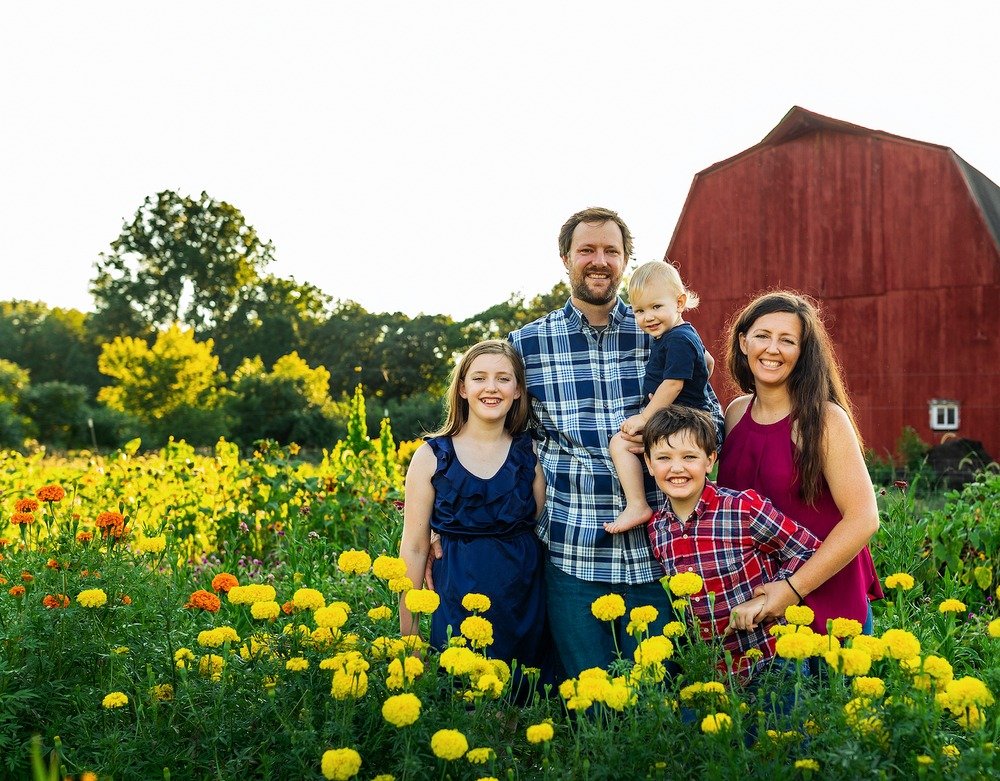
Summer is in full swing here in Michigan, and what better way to complement these bright days than with a beautiful bouquet of locally grown flowers? I have seen few flowers as unique and vibrant as those from Whitmore Lake’s Raindance Farm. Kristen Muehlhauser, owner of Raindance Farm, grows a wide variety of flowers year-round, from summer lilies, peonies, and dahlias, to winter-grown daffodils and andenomes. We met with Kristen to discuss how Raindance Farm came to be.
Kristen loved gardening and participated in Project Grow, an organization providing garden resources and plots in Ann Arbor. When she got her plot, she read Animal, Vegetable, Miracle by Barbara Kinsolver, a book about a family sustaining themselves solely off their local food supply for a year. Kristen discovered her love of growing food sustainably. Ten years later, the charm of a farm in Northfield Township caught Kristen’s attention, and she and her husband purchased it.
Kristen emanates kindness and is committed to quality, community, and sustainability in her farming practices and her personal life. I hear customers talk about how wonderful her bouquets are, and it’s clear after meeting with her that the farmer behind them is just as lovely. Raindance Farm farms in a way that nourishes both the environment and the local community. Opportunities for U-Pick flowers will hopefully arise sometime in 2026, but in the meantime, you can find her bouquets at the Ann Arbor Farmers Market and right here at Argus Farm Stop.

Slow and Steady Wins the Race: Michigan Strawberries at Slow Farm
Strawberries are one of the most popular fruits in the United States, but the vast majority of them are grown at the detriment to our soul health. One solution to the problem of mass production is for consumers to change the way they consume by purchasing produce in season from local farmers. In doing so, we guarantee that we are eating fruits and vegetables while they are most flavorful and nutritious. The benefit of purchasing strawberries from farms like Slow Farms is being able to know exactly where and how the berries are grown.

Ramps, Organic Certifications, and more with Monroe Family Organics
At Argus Farm Stop, there are a few items that come in the store that signal a real beginning to the new growing season. We begin to see green garlic, green onions, and radishes as the sun comes out. But as the days turn from just above freezing, to so sunny your soul begs to stay outside, we see the arrival of asparagus, foraged morels, and ramps, signifying a moment of the season. Ramps are a special item in our store due to their cultivation, or lack thereof. Farmers can’t grow ramps at scale for the most part, so when ramps are harvested, it’s more of a foraging activity than a farming one. Our good friends at Monroe Family Organics in Alma, Michigan supply us with the vast majority of our ramps. We chatted with them to learn more about how they harvest Ramps, how they sell local produce to consumers, and different certification options for farms.
We’re always excited to have produce that is native to our region, such as strawberries, and ramps. Ramps are native to the forests of eastern North America. “They’re an onion type plant. They look like a lily and grow in the woods.” Fred Monroe of Monroe Family Organics tells us. Along with other alliums like green onions and garlic, ramps grow from a bulb in the ground, growing two leaves out in the spring. This time of late April into May is when the ramps are visible and able to be harvested by foragers. (Jessee and Ram, 2024)